Calm in Small Spaces: A Mindfulness Routine for Apartments and Shared Homes
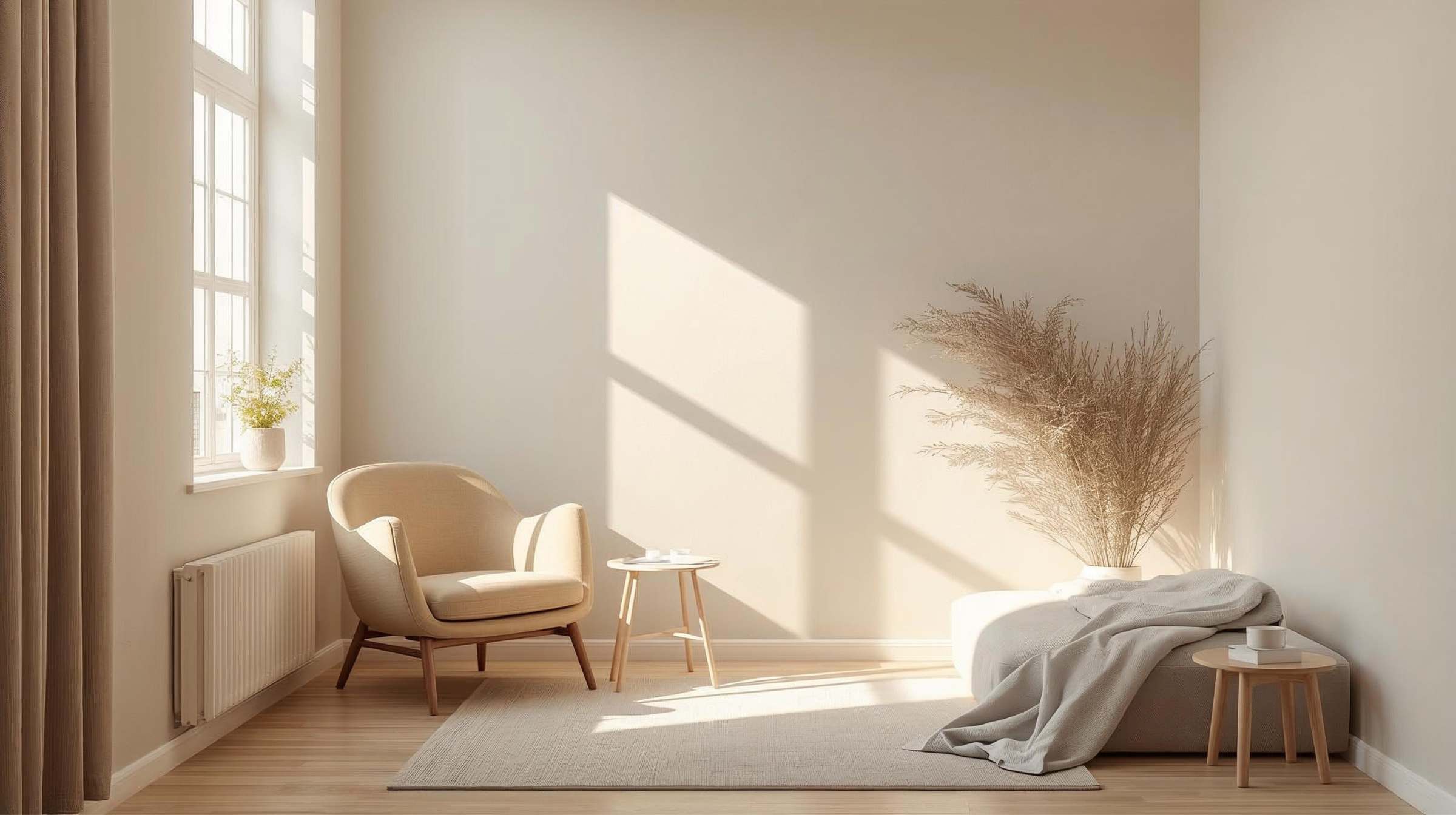
Calm in Small Spaces: A Mindfulness Routine for Apartments and Shared Homes
Living in a small apartment or shared home? You know the feeling. The walls are thin. Someone’s always home. There’s nowhere to really escape when you need a minute to yourself.
And then someone tells you to “try meditation” or “practice mindfulness.”
Sure. Where, exactly? In the bathroom?
Here’s what I’ve learned: you don’t need a quiet room to find calm. You just need a quiet moment.
This guide is about finding peace right where you are—roommates and all. No fancy equipment. No perfect conditions. Just practical ways to breathe a little easier in whatever space you’re calling home right now.
If you’re newer to mindfulness and want a simple starting point, you can also read
what spiritual meditation is and how to do it.
Why Small Spaces Make Mindfulness Even More Important
When you live in a small space, everything feels amplified. Sounds are louder. Stress builds faster. There’s literally nowhere to go when you need to decompress.
Your roommate’s phone call. The upstairs neighbor’s footsteps. The constant hum of the fridge. The energy of other people seeps through the walls. And when you’re already stretched thin from work or school or life in general, that lack of physical space can start to feel suffocating.
That’s exactly why mindfulness matters so much here.
It’s not about escaping your environment—it’s about changing how you relate to it. Instead of constantly feeling trapped or overwhelmed, you learn to find steadiness even when things feel chaotic. You discover that peace doesn’t require square footage. It requires attention.
Think of it like this: if your apartment can’t give you space, mindfulness helps you create it internally. You build an inner room that’s always available, always quiet, always yours—no matter what’s happening on the other side of the wall.
And once you learn that? It goes with you everywhere. To crowded subway cars. To busy coffee shops. To family gatherings. It becomes a skill you can access anywhere, anytime.
Forget the Perfect Setup
One of the biggest myths about meditation is that you need the right space. Cushions. Candles. Complete silence. An Instagram-worthy corner bathed in golden light with a monstera plant in the background.
That’s nice if you have it. But it’s not required.
The truth? Calm is a skill, not a room.
I spent years thinking I’d start a meditation practice once I had more space. Once I lived alone. Once things quieted down. Guess what? That moment never came. And even when my living situation changed, there was always some other reason to postpone it.
Waiting for perfect conditions means you’ll probably never start. So let’s drop that idea right now.
Your mindfulness practice can happen on your bed with your roommate watching TV ten feet away. It can happen in the kitchen while water boils. It can happen sitting on the floor because that’s the only spot available. The location doesn’t matter nearly as much as the intention.
Think Small, Not Long
In a small apartment, consistency beats duration every single time.
One mindful breath every day is better than a 30-minute session you keep putting off because the timing never feels right. When you’re living in tight quarters, trying to carve out big chunks of uninterrupted time is a recipe for frustration.
Here’s what works better—moments instead of sessions:
- One breath before you check your phone in the morning
- A pause when you get home from work and set your keys down
- A moment of stillness before bed while you’re already lying there
Tiny moments. Done regularly. That’s the secret.
These micro-practices add up. A minute here, thirty seconds there. Over time, they create a foundation of calm that’s way more sustainable than forcing yourself into long sessions that don’t fit your life.
If you like the idea of a steady, simple daily practice, you’ll probably enjoy this explainer on
sadhana (it’s basically “showing up” in a doable way).
Pick Your Anchor Time
The easiest way to build consistency is to attach your practice to something you already do every day.
Maybe it’s right after you wake up, before your feet hit the floor. Maybe it’s when you sit down with your morning coffee. Maybe it’s the moment you close your laptop at the end of the workday.
Pick one daily moment that already exists in your routine. This becomes your mindfulness “home base.” You’re not adding something new to your schedule—you’re just bringing more awareness to something you’re already doing.
Your Simple Daily Routine (Works Anywhere)
This routine is quiet, subtle, and doesn’t require any special space. Perfect for apartments and shared living. You can do all of these practices, or just pick one to start with.
1. The One-Minute Check-In
This is where you start. Every day.
Sit wherever you are—bed, couch, chair, doesn’t matter. You don’t even need to close your eyes if that feels weird or uncomfortable.
Just breathe:
- Slow inhale through your nose (count to four if you want)
- Gentle exhale through your mouth (count to six)
- Let your shoulders drop away from your ears
Silently think: “I’m here.”
That’s it. One minute. This tiny reset tells your nervous system it’s okay to slow down. You’re signaling to your body that this moment is safe, that you don’t need to be in constant motion or reaction.
If you want an easy guided option to bookmark, try
this guided 10-minute chakra meditation for balance and harmony.
2. Notice Your Body (No Lying Down Required)
You don’t need floor space for this. You can do it sitting, standing, even while waiting for coffee to brew or riding the elevator.
This is called a body scan, but we’re keeping it simple. Just bring your attention to your physical self.
Start with your feet. Notice them on the ground. Feel the contact, the temperature, the weight.
Move your attention up to your legs, your hips, your torso. You’re not looking for anything specific—just noticing what’s there.
Pay special attention to common tension zones:
- Your jaw (are you clenching?)
- Your shoulders (are they up by your ears?)
- Your neck and forehead
You’re not trying to fix anything or force yourself to relax. Just noticing is enough. Awareness itself often releases tension without you having to do anything else.
If you like a gentle seated posture to support this practice, here’s a helpful read on
Virasana (Hero Pose).
3. Make Friends with the Noise
This is the game-changer for small spaces, and honestly, it’s the practice that transformed mindfulness for me.
Instead of fighting the sounds around you—traffic, neighbors, someone’s music, the dog barking next door—let them be part of your practice.
Here’s how it works: sit quietly and just listen. Not to anything specific. Just… listen.
Notice sounds without labeling them as good or bad:
- The hum of the fridge
- Footsteps upstairs
- Voices in the hallway
- Cars passing outside
- The buzz of your phone
Let sounds come and go like waves. Some are loud, some are soft. Some are brief, some linger. You’re not trying to block anything out. You’re just observing sound as sound.
Sometimes, deeper quiet moments can bring up unexpected experiences (like seeing colors during meditation). If that’s ever happened to you, this guide is a comforting read:
See Colors When You Meditate? Here’s What They Mean.
Creating Calm Without Taking Up Space
You don’t need a meditation corner. You need a calm habit.
Pick Your Spot
Choose somewhere you already sit. It doesn’t need to be special or set apart:
- The edge of your bed
- Your favorite chair
- By the window
- The corner of the couch
You don’t need to change anything about it. Don’t buy new pillows or rearrange furniture. Just use it consistently for your practice.
Over time, your body will recognize that spot as a place to settle. You’ll sit down, and something in you will automatically start to soften. That’s classical conditioning working in your favor.
Keep It Minimal
If you like having a physical anchor, keep it simple:
- A candle you light occasionally (safely, and only when you’re present)
- A scent you associate with calm (essential oil, incense, whatever you like)
- Soft background sound (rain sounds, white noise, gentle music)
But honestly? You don’t even need these. Your breath is enough. Your body is enough. The moment itself is enough.
Some people enjoy grounding the body with mindful movement. If you’re curious, you can explore
the benefits of Chaturanga Dandasana
as a strength-and-focus posture (always modify to your comfort).
Living with Roommates or Family
Sharing your space means sharing energy. You can’t control what’s happening around you, but you can control how it affects you.
This is where mindfulness becomes especially powerful. When you’re living with other people, their moods, stress levels, and energy can feel contagious. You walk into a room and immediately pick up on tension, anxiety, or frustration—even if no one says a word.
Silent Practices Are Your Friend
The beautiful thing about mindfulness? It’s invisible.
No one needs to know you’re doing it. Breathing, body awareness, listening—it all happens internally. You can practice while sitting at the dinner table, while watching TV together, while waiting for someone to finish in the bathroom.
If you like mindfulness that feels creative (and less like “trying to meditate”), you might love
Mindful Creativity: Unlocking Your Inner Artist Through Presence.
Protect Your Energy
In shared spaces, it’s easy to absorb other people’s stress or mood. Someone comes home frustrated, and suddenly you feel frustrated. Someone’s anxious, and you start feeling anxious too.
Mindfulness helps you notice the difference between what’s yours and what’s theirs.
A simple reminder works wonders: “This is happening around me, not to me.”
You can acknowledge what someone else is feeling without taking it on. You can witness their stress without making it your own. That mental boundary creates space where there isn’t any physical space.
A Simple Evening Wind-Down
Small apartments can feel overstimulating at night—screens, lights, lingering noise from neighbors. This five-minute routine helps you transition toward rest.
Here’s what to do:
- Dim the lights if you can. Lower light signals to your brain that it’s time to wind down.
- Sit or lie down comfortably. Bed is fine. Couch is fine. Floor is fine.
- Take a few slow, deep breaths. Let each exhale be a little longer than the inhale.
- Relax your face and jaw. Soften your forehead. Unclench your jaw. Release your tongue.
- Let thoughts drift by. Notice drifting, then gently return to your breath.
You’re not trying to sleep yet. You’re just slowing down. Creating a buffer between the busyness of the day and the rest your body needs.
If you enjoy structured energetic practices in the evening (especially when space is limited), you may find
Yoga Kihei
interesting as a supportive concept to explore.
When It Feels Hard (Because Sometimes It Will)
Let’s be real: mindfulness isn’t always easy, especially when you’re starting out or when your environment feels particularly chaotic.
“It’s Too Noisy to Focus”
Good news: you don’t need perfect focus. You just need to be present, even if that presence is messy and distracted.
The noise can actually be the practice. Every time a sound pulls your attention, that’s not a failure—it’s an opportunity to practice noticing and returning.
“I Don’t Have Time”
You already have the time. I promise.
One breath while your coffee brews: 10 seconds. One pause before opening your laptop: 15 seconds. One moment of body awareness while you’re waiting for the elevator: 20 seconds.
Mindfulness fits into the cracks of your day. Start with just one breath. Literally one.
“I Feel Weird Doing This Around People”
Totally normal. Most of us aren’t used to being still in front of others. It can feel vulnerable or awkward.
Start with the silent practices—no one will even know. Your confidence will grow quietly.
Making It Stick
The best mindfulness routines don’t feel like another task on your to-do list. They feel like relief. Like finally coming up for air.
Instead of asking yourself, “Did I meditate today?” try asking, “Did I pause today?”
One breath counts. One moment of noticing counts. You don’t need to hit some arbitrary standard of “good enough” to get the benefits.
Over time, these small pauses add up to something bigger—a sense of calm that follows you even when life gets chaotic.
And because calm doesn’t have to be serious all the time, here’s a playful internal pick-me-up that still supports a lighter mindset:
10 Hilarious Reasons to Smile Every Day (and Why You Should Do It Right Now).
You Already Have Everything You Need
You don’t need a bigger apartment.
You don’t need silence.
You don’t need more time.
You don’t need special cushions or apps or perfect conditions.
You just need permission to pause right where you are.
Start with one breath today. That’s all. One breath, one moment, one small act of kindness toward yourself.
Calm will meet you there. 🌿
Optional curiosity rabbit hole (only if it resonates): some readers enjoy exploring symbolic number practices as part of their mindset rituals—if that’s you, here’s a ranked internal resource:
Understanding Grabovoi Codes: Manifestation by the Numbers.