Meditation Without Sitting Still: Calm Practices for People Who Can’t “Do Nothing”
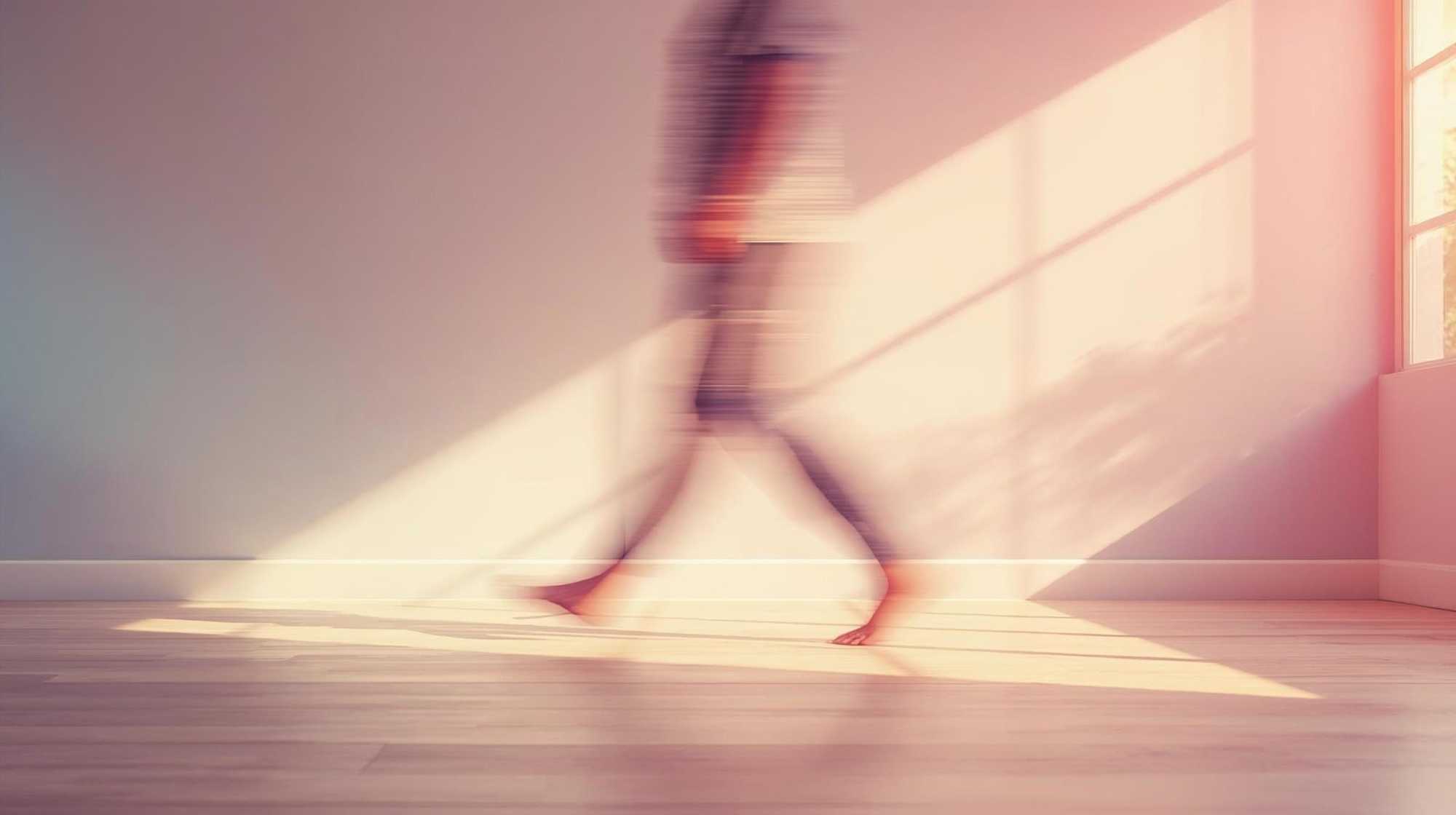
Meditation Without Sitting Still: Calm Practices for People Who Can’t “Do Nothing”
If you’ve ever tried to meditate and thought, “Am I supposed to just… sit here?”—you’re not alone.
For many people, the idea of sitting still with closed eyes feels less calming and more uncomfortable. Your legs fidget. Your mind races. Your body wants to move. And suddenly, something meant to reduce stress becomes another thing you feel like you’re doing wrong.
Here’s the truth that doesn’t get said enough: you don’t have to sit still to practice meditation.
Calm doesn’t only arrive through silence and stillness. Sometimes, calm needs motion.
This post is for anyone who feels restless, distracted, uncomfortable, or discouraged by traditional sitting meditation—and is curious whether there’s another way.
There is.
Why Sitting Meditation Doesn’t Work for Everyone
Sitting meditation is often presented as the default form of mindfulness. But human nervous systems aren’t one-size-fits-all.
For many people, sitting quietly can actually increase discomfort instead of reducing it. This can happen if you:
- Feel physically uncomfortable or stiff when sitting
- Have a busy or racing mind that reacts strongly to silence
- Experience restlessness, anxiety, or nervous energy in your body
- Associate stillness with pressure, performance, or “getting it right”
- Have ADHD, trauma responses, or chronic pain that make stillness challenging
- Simply feel more regulated when your body is gently moving
None of this means you’re bad at meditation. It means your system may regulate better through movement, rhythm, or sensory input.
Calm doesn’t require immobility. It requires attention with gentleness.
Helpful next read (beginner-friendly): If you want a simple foundation that still leaves room for flexibility, start with this beginner meditation guide-style post:
What Is Spiritual Meditation (and How to Do It).
The Problem With “Just Sit With It”
There’s a common idea in meditation culture that discomfort is part of the process—that if you’re struggling, you should “sit with it” until something shifts.
Sometimes that’s true. But sometimes, forcing yourself to sit still when your nervous system is asking for movement creates more dysregulation, not less.
If your body is telling you to move, that’s information worth listening to. Meditation should help you befriend your nervous system, not override it.
What Still Counts as Meditation (A Gentle Definition)
At its core, meditation isn’t about posture. It’s about intentional awareness.
If you’re paying attention—on purpose—to what’s happening right now, without forcing or fixing, you’re practicing mindfulness.
That means meditation can happen while:
- Walking
- Listening
- Standing
- Stretching
- Moving your hands
- Looking at something soothing
- Doing simple, repetitive tasks
This is often called non-traditional meditation or active meditation, but there’s nothing lesser about it. These practices still calm the nervous system, reduce mental noise, and train awareness—just without requiring stillness.
Mindfulness in daily life: If you like the idea of weaving awareness into everyday moments (instead of “formal sessions”), you may also enjoy
Mindful Creativity: Unlocking the Artist Within—it’s a great reminder that presence can happen while doing.
6 Calm Practices That Don’t Require Sitting Still
1. Walking With Awareness (Moving Meditation for Beginners)
This is one of the simplest forms of moving meditation for beginners.
Walk slowly and naturally. No special pace. No destination required. Let your attention rest on:
- The feeling of your feet touching the floor or ground
- The rhythm of your steps
- The movement of your body through space
- The swing of your arms
- Your breath as it naturally coordinates with your steps
If your mind wanders, gently return to the sensation of walking. That’s the practice.
Calming movement ideas: If you want a movement-adjacent “destination” for your walking practice (or a calming place to take a mindful stroll), check out
Yoga Kihei.
How long: Start with 2–3 minutes. Walking meditation often feels easier to sustain than sitting, so you may naturally extend it once you settle in.
2. Listening Meditation
Sound can be a powerful anchor—especially for restless minds.
Choose a steady, soothing sound:
- Rain or ocean waves
- White noise or nature sounds
- Soft instrumental music
- The hum of a fan or appliance
- Ambient background sounds from your environment
Instead of analyzing the sound, simply let it come and go. Notice volume changes, texture, or rhythm. Listening on purpose is a form of meditation, even if your eyes are open and your body is relaxed but not still.
Why this works: Sound gives your mind something to track without requiring you to generate thoughts. It’s especially helpful if silence makes your mind feel louder.
3. Hands-Busy Mindfulness
Some people focus best when their hands are doing something simple and repetitive.
Try bringing gentle awareness to activities like:
- Folding laundry
- Washing dishes
- Watering plants
- Tidying a small space
- Knitting, crocheting, or needlework
- Coloring or drawing simple patterns
- Sanding wood or polishing something smooth
Feel the textures. Notice temperature. Stay with the movement. This is calm without formal meditation—and it counts.
The key difference: The goal isn’t productivity. It’s presence. You’re using the activity as a focus point, not rushing to finish it.
4. Standing Body Awareness
If sitting feels uncomfortable, try standing.
Place your feet on the ground—barefoot if possible—and notice:
- Your weight distributing between both feet
- Subtle shifts in posture
- Areas of tension or ease
- The feeling of your spine lengthening
- How your breath moves through your torso when you’re upright
No scanning required. No fixing. Just noticing your body as it is, upright and supported.
Grounding exercises tip: If grounding visually helps you stay present, you might enjoy this gentle, curiosity-based read on sensory experiences during meditation:
See Colors When You Meditate: Here’s What They Mean.
5. Gentle Stretching or Swaying
Slow, intuitive movement can help release nervous energy that sitting still would only trap.
This might look like:
- Light stretching—reaching, bending, twisting gently
- Rocking side to side
- Rolling shoulders or neck
- Swaying like a tree in the wind
- Moving with your breath—lifting arms on inhale, lowering on exhale
There’s no routine to follow. Let your body guide the motion. Calm often arrives after movement, not before it.
Calming movement ideas: If you prefer structured movement (but still gentle), you can explore posture-based calm with
Virasana (Hero Pose): Benefits
or a strength-building option like
Benefits of Chaturanga Dandasana.
6. Visual Focus Practices
Meditation doesn’t require closed eyes.
You can rest your attention on:
- A candle flame
- Flowing water—a fountain, stream, or faucet
- Clouds moving across the sky
- Leaves or branches moving in the wind
- Patterns in wood grain or fabric
- Fish in an aquarium
Let your gaze soften. Notice without naming or judging. Visual focus can be deeply grounding—especially for people who feel unsettled in silence or darkness.
How Long Each Practice Really Needs
Here’s a relief most people don’t expect: you don’t need 20 or 30 minutes.
Many calming practices work in:
- 1 minute
- 3 minutes
- 5 minutes
Short, gentle moments done consistently are often more effective than long sessions you resist. Stop before frustration starts. Calm grows through safety, not endurance.
A practical approach: Try one practice for just two minutes every day for a week. Notice what shifts. Then, if it feels good, let it expand naturally. Forced duration creates resistance. Natural expansion creates habit.
How to Know It’s Working (Subtle Signs)
Meditation isn’t always dramatic. Often, it’s quiet.
Signs your practice is helping may include:
- Slightly slower breathing
- Less urgency in your thoughts
- Softer shoulders or jaw
- Feeling a little less reactive afterward
- A sense of “that helped” without knowing why
- Sleeping a bit better
- Feeling less overwhelmed by small frustrations
- Noticing space between a trigger and your reaction
You don’t need silence. You don’t need bliss. Calm often shows up as relief, not transcendence.
Sometimes the sign is simply that you come back to the practice voluntarily. If you find yourself choosing to walk mindfully or stretch gently when you’re stressed, that’s success.
Common Questions About Movement-Based Meditation
“Is this real meditation, or am I just distracting myself?”
Real meditation is intentional awareness. If you’re paying attention on purpose—even while moving—you’re meditating. Distraction is mindless. This is mindful.
“What if my mind still wanders during these practices?”
It will. That’s not failure—that’s the practice. Noticing your mind wandered and gently returning your attention is the skill you’re building, whether you’re sitting, walking, or listening.
“Can I combine these with each other?”
Absolutely. You might walk while listening to rain sounds, or stretch while focusing on a candle. Let your practice be as flexible as you need it to be.
“Will I ever be able to sit still?”
Maybe. Maybe not. And that’s okay. Some people find that movement-based practices eventually make sitting feel easier. Others find a rhythm of mixing both. And some people practice meditation through movement for life. All paths are valid.
Letting Go of the “Doing It Wrong” Mindset
One of the biggest obstacles to calm is the belief that you’re failing at it.
There is no bonus for forcing stillness.
There is no prize for discomfort.
There is no correct posture that makes calm appear.
Meditation is a relationship with your nervous system. If something gently settles you—even a little—it’s working.
Let go of comparison. Let go of rules that don’t serve your body. Let calm meet you where you are.
The meditation you actually do is infinitely more valuable than the perfect meditation you avoid.
Simple relaxation skills: If you want a light, mood-boosting reset that still supports your calm practice, this one pairs well:
10 Hilarious Reasons to Smile.
Building Your Own Practice (A Gentle Starting Point)
If you’re ready to explore meditation without sitting still, here’s a simple way to begin:
- Week 1: Try each of the six practices once, for just 2–3 minutes each. Notice which one feels least resistant.
- Week 2: Choose the one that felt easiest and do it daily for a week. Same time, same length. Let familiarity build safety.
- Week 3: Experiment with duration. Try 1 minute some days, 5 minutes others. Notice what your nervous system prefers.
- Week 4: Add a second practice if you want variety, or deepen the one you’ve chosen. Let your practice evolve naturally.
There’s no graduation required. No advanced level to reach. Just gentle, consistent attention to what helps you feel more regulated and present.
Calm Is Allowed to Move
If sitting still doesn’t feel calming, you’re not broken—you’re listening to your body.
Meditation without sitting still is real, effective, and valid. Calm can walk, sway, listen, stretch, and breathe with eyes open.
Start small. Try one practice today. Let calm move with you.
You’re allowed to arrive exactly as you are. 🌿