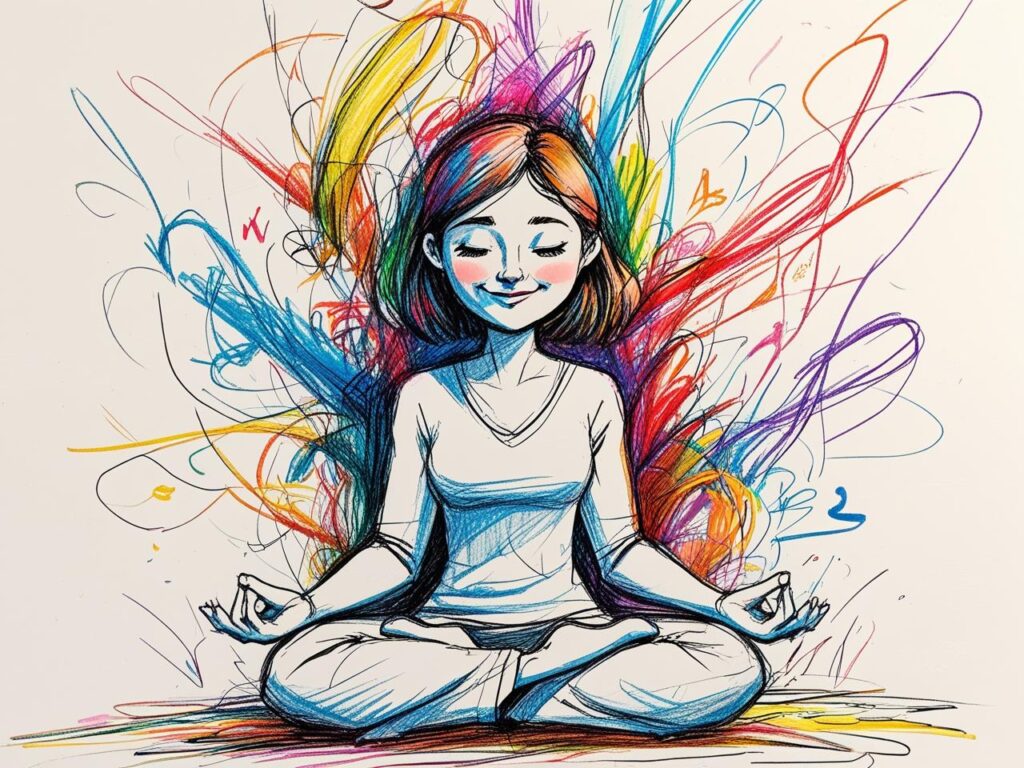
Top Meditation Myths Debunked: What Actually Works
Top Meditation Myths Debunked: What Actually Works
Introduction
Have you ever tried meditation and felt frustrated because your mind just wouldn’t “shut off”? You’re not alone. Many people approach meditation with unrealistic expectations—and end up discouraged.
In this post, we’ll debunk six pervasive meditation myths and replace them with evidence-based insights that actually support your practice. Ready to explore meditation without judgment? Let’s get started.

Why Meditation Myths Matter
 These myths don’t just affect beginners; they can also frustrate seasoned practitioners who feel they’re “failing” if their practice doesn’t match idealized expectations. For example, someone who meditates regularly might question their progress if their mind still wanders or if they can’t dedicate hours each day. This sense of inadequacy can lead to self-criticism, undermining the very benefits—like reduced stress and improved focus—that meditation is designed to cultivate. Research, such as studies from institutions like Harvard, shows that mindfulness practices are effective even with brief, imperfect sessions, yet myths about perfectionism persist. When practitioners believe they’re not “doing it right,” they may abandon meditation altogether, missing out on its proven ability to enhance mental clarity and emotional resilience.
 By letting go of myths, we invite people to embrace meditation as a flexible practice that fits their unique needs and schedules. Whether it’s a brief moment of mindfulness during a stressful workday or a longer session to unwind, meditation becomes a source of support rather than pressure. Encouraging this mindset not only makes meditation more approachable but also fosters a sense of curiosity and self-compassion, allowing practitioners to explore its benefits without fear of “getting it wrong.” With these myths debunked, meditation can become a welcoming, practical habit that enhances well-being for anyone willing to give it a try.
Myth 1: Meditation Is About Emptying Your Mind
Common Belief: Meditation requires a completely blank mind.
Reality Check: It’s not about suppressing thoughts—it’s about noticing them without attachment. The goal is to observe thoughts as they arise and pass, not to erase them.
“Meditation is about watching the mind… catching it in the act and bringing peaceful concentration and awareness back to the forefront.” Forbes
“In meditation, your goal doesn’t need to be to not think. Instead… witness and observe your thoughts… without a strong emotional charge.” Verywell Mind
How to Practice It:
-
Focus on an anchor—like the breath or a mantra.
-
When thoughts appear, gently bring your attention back.
-
No judgment on distraction—it’s part of the process.
Try this: Sit for 5 minutes and simply observe your breath. Notice thoughts without engaging them, then gently return to breathing.
Myth 2: You Need to Sit Cross-Legged for Hours
 Common Belief: Real meditation requires a lotus pose and long sessions.
Reality Check: Any comfortable, alert posture works—sitting in a chair, lying down, or even walking is perfectly valid. And brief, consistent sessions often trump sporadic long ones.
“You don’t need a lot of spare time… You can reap the benefits of meditation in a matter of minutes.” Verywell Mind
“Sessions can take as little as three minutes each day, and people soon tend to experience a difference…” The Candidly
How to Practice It:
-
Choose what supports you—chair, cushion, or even a stroll.
-
Start with 5–10 minutes; build from there at your pace.
Myth 3: Meditation Is Only for Spiritual or Religious People
 Common Belief: Meditation is tied exclusively to spiritual traditions.
Reality Check: Meditation is universal. Many modern practices—like mindfulness and loving-kindness—are secular and grounded in science.
“Mindfulness simply as the art of conscious living… You don’t have to be a Buddhist or a yogi to practice it.” Siddha Meditate
“You don’t have to clear your mind of thoughts… it’s about changing our relationship with our thoughts.” TIME
You can practice meditation in a way that aligns with your personal beliefs—even if they are entirely secular.
Myth 4: You Need to Meditate Every Day to See Results
 Common Belief: Meditation only works with a rigid daily routine.
Reality Check: While regularity helps, even occasional practice brings benefits. Mini-sessions during stressful moments can be especially helpful.
“Benefits can emerge from even occasional practice.” Verywell Mind
“Consistency matters… even if that’s not possible, you will still experience the benefits if you practice regularly … starting with short exercises.” The CandidlyMindworks Meditation & Buddhist Path
Tip: Aim for 3–5 sessions per week, or infuse 1–2 minutes of mindfulness when you need it most.
Myth 5: Meditation Will Solve All Your Problems
 Common Belief: Meditation is a cure-all for stress, anxiety, and life challenges.
Reality Check: Meditation is a powerful tool—but it’s not a magic fix. It works best as part of a broader self-care toolkit that may include therapy, journaling, or movement.
“Meditation can make a person more emotionally healthy, but it isn’t a substitute for therapy.” Verywell Mind
And recent research shows meditation can alter brain waves linked to emotional regulation—pointing to real benefits, though still complementary to traditional therapies. New York Post
Try This: Pair meditation with journaling to reflect—and keep your expectations rooted in gradual growth, not instant change.
Myth 6: You’re “Bad” at Meditation if Your Mind Wanders
Common Belief: A wandering mind means you’re failing at meditation.
Reality Check: Mind-wandering is normal. Meditation strengthens your ability to notice distractions and return to focus—that’s the real success.
“If you noticed you were having thoughts during meditation, that means you were doing it right.” Forbes
“The mind is designed to think… the practice of meditation truly begins when you notice your thoughts.” Mindworks Meditation & Buddhist Path
How to Practice It:
-
Label distractions (“thinking” or “wandering”), then return to your anchor.
-
Use guided sessions to help maintain attention during early practice.
How to Start a Meditation Practice That Works for You
Key Takeaways:
-
Meditation is flexible, personal, and non-judgmental.
-
You don’t need silence, special postures, or strict schedules to benefit.
Getting Started:
-
Choose a simple method—like mindful breathing or a body scan.
-
Meditate for 5–10 minutes in a comfortable space.
-
Lean on apps or videos for guidance.
-
Be patient—cultivation takes consistency, not perfection.
Invitation: Try a short session now—notice your experience and, if you feel like it, share what came up in the comments.
Conclusion
 By clearing the fog of myths, meditation transforms from an intimidating ideal into an approachable practice that welcomes everyone, regardless of experience or lifestyle. Misconceptions—like the need to empty your mind or sit in a specific posture—often make meditation feel like an exclusive club with unattainable standards. Dispelling these myths reveals that meditation is flexible, allowing you to practice in a way that suits your needs, whether it’s a brief moment of mindfulness during a busy day or a longer session to unwind. This shift in perspective removes the pressure to “get it right” and invites curiosity, making meditation feel like a natural part of daily life. By focusing on what meditation truly is—a tool for cultivating awareness—anyone can start small and discover its benefits without fear of failure.